
Designing a Student Fitness Dashboard with Tableau (No Prior Experience Required)
Learn how PE teachers can build a one-day Tableau fitness dashboard for student metrics, engagement tracking, and parent sharing.
Imagine turning a week of PE data into a dashboard that helps you spot participation trends, celebrate student wins, and explain progress to families in a single glance. That is the promise of Tableau for schools: a practical, visual way to turn everyday class information into a clear fitness dashboard without needing to become a data analyst first. In workshop-style learning, the key is not mastering every feature of Tableau at once; it is building one useful, classroom-ready product in a single day, then improving it over time. If you want the bigger-picture skill of presenting information well, our guide on lesson plans that use data to tell a story is a helpful model for how teachers can turn raw numbers into meaningful learning.
This guide borrows the structure of a hands-on data workshop and adapts it for PE. The outcome is a simple dashboard template for student metrics such as VO2 proxies, mile times, participation, and engagement. You will learn how to design, organize, and share a dashboard that supports instruction, not just reporting. And because fitness data is personal, we will also cover privacy, communication, and age-appropriate interpretation in the same practical spirit found in discussions of health data security checklists and privacy-first analytics pipelines.
1) Why PE Teachers Should Build a Fitness Dashboard
From attendance sheet to actionable insight
Most PE teachers already collect more data than they realize: run times, activity completion, effort scores, lap counts, recovery heart rates, and observational notes. The problem is that these numbers often live in separate places, making it hard to connect a student’s performance with their engagement or participation. A dashboard brings those pieces together visually, so you can see patterns instead of isolated events. In the same way movement data is changing how communities plan sports spaces, school-level movement data can change how teachers plan instruction.
Why visualization improves conversations
Charts make it easier to explain progress to students and parents without getting lost in spreadsheets. A line chart showing mile time improvement, for example, can be much more motivating than a single test score. A bar chart comparing class participation across activities can reveal whether your students engage more in circuits, games, or individual conditioning. This mirrors the value of building trust through visible evidence: when people can see the data clearly, they are more likely to understand and trust the story you are telling.
What a one-day workshop approach solves
Many educators avoid dashboards because they assume the setup is complicated or time-consuming. A one-day Tableau workshop model makes the process manageable by focusing on a limited, high-impact build rather than a perfect system. You can create a useful dashboard in a few hours if you choose only the most important metrics, use a clean template, and avoid over-designing. That same “learn by building” approach is common in effective productivity workflows and in practical automation strategies that prioritize time savings over complexity.
2) What You Need Before You Open Tableau
Start with a simple data set
You do not need a massive database to create a strong dashboard. In fact, a small, clean dataset is better for beginners because it makes the logic easier to understand. For a PE class, begin with one row per student per activity or test date. Your columns might include student name, grade, class period, date, activity, mile time, shuttle run, heart rate recovery, participation score, and engagement score. If you have ever used a structured content workflow like trend-driven topic research, think of this step as choosing the right inputs before you build the final output.
Define the questions the dashboard should answer
Good dashboards answer clear questions. For PE, useful questions include: Which students improved their mile time most this month? Which activities generate the highest participation? Are there students whose effort is high but performance is still developing? Which classes show the strongest engagement trend over time? These questions guide what charts you build and prevent clutter. This is similar to the planning mindset behind scenario analysis, where you choose a design based on the decisions it must support.
Use a standard rubric for engagement
If you want meaningful engagement tracking, define it before you start. For example, you might score engagement on a 1–4 scale: 1 = off task, 2 = inconsistent, 3 = mostly engaged, 4 = consistently engaged and encouraging peers. The same goes for participation: decide whether it is based on presence, active effort, or completion of stations. Clear definitions make your dashboard more trustworthy because the numbers represent a shared standard, not a guess. That trust-building principle appears in many contexts, including privacy and user trust and ethical governance frameworks.
3) The One-Day Tableau Workshop Model for PE
Morning: import, clean, and label
The first part of your workshop should focus on getting data into Tableau and making sure the field names are readable. Rename columns so they are teacher-friendly, such as “Mile Time (sec)” rather than “m_time.” Convert dates into a consistent format and check for missing values. For beginners, the goal is not advanced data prep; it is a clean starting point that won’t break your charts later. This is a classroom version of the precision seen in zero-trust document workflows, where careful preparation prevents downstream problems.
Midday: build the core visuals
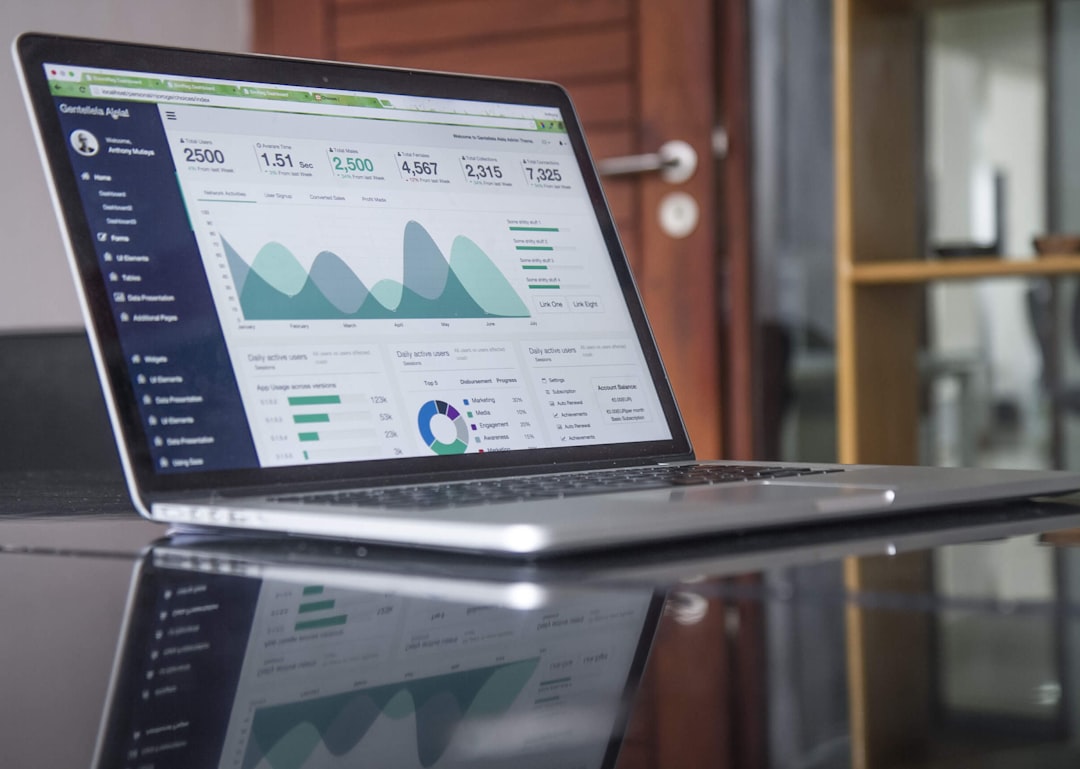
Once the data is loaded, create your four core dashboard visuals: a student progress line, a class participation bar chart, an engagement heatmap, and a performance comparison table. Keep each chart focused on one job. A single chart should answer a single question. If you want a model for organizing multiple pieces into one clear screen, think about the structure of home entertainment upgrades: each component matters, but the whole setup only works when the elements are balanced.
Afternoon: add filters, polish, and sharing options
The final part of the day should be about interactivity. Add filters for class period, grade, gender, activity type, and date range. Then add a highlight action so clicking on one student updates the rest of the dashboard. This transforms a static report into an interactive chart system that supports classroom conversation. Once it is polished, export the dashboard as a PDF for parents or publish it to a secure Tableau space for teacher use. If your school also communicates digitally with families or staff, the same clarity found in digital workflow tools can make sharing smoother.
4) Designing the Right Student Metrics
VO2 proxies that teachers can actually use
Not every school has access to laboratory fitness testing, so PE dashboards often rely on proxies. A good VO2 proxy can come from the PACER, mile run, shuttle run, or even a timed step test. The best proxy is one that your school already uses consistently, because consistency matters more than complexity. You are not trying to build a sports science lab; you are trying to track meaningful progress in a way that is understandable to students and parents. For context on how data can be used without overcomplicating the process, see the practical thinking in market data trendspotting.
Mile times and progress indicators
Mile times are ideal for trend lines because they are easy to compare across dates. Instead of displaying only the final result, show the starting point, the latest result, and the change over time. A student who improved from 13:40 to 12:55 may still be developing, but the dashboard makes growth visible. This matters because growth is a powerful motivator in youth fitness, much like how progress framing strengthens persistence in sports redemption narratives.
Participation and engagement as separate signals
Participation and engagement are related, but they are not the same thing. Participation tells you whether a student took part, completed the task, or attended. Engagement tells you how actively and positively the student participated during the lesson. A student can be present but disengaged, or highly engaged but physically limited on a given day. Distinguishing these fields improves your teaching decisions and gives a more accurate picture of class climate, much like careful stakeholder tracking in stakeholder engagement.
5) Building the Dashboard in Tableau Step by Step
Step 1: connect and inspect
Open Tableau and connect to your spreadsheet, Google Sheet, or CSV file. Check that each column is classified correctly: dates as dates, times as numbers, and categories as text. Spend a few minutes scanning the data preview to catch obvious issues, such as blank student names or inconsistent activity labels. A clean connection is the foundation of every visualization, and it keeps your dashboard from becoming confusing later.
Step 2: create calculated fields
For a PE dashboard, calculated fields help you turn raw data into teacher-friendly insights. You might calculate improvement percentage, pace change, or an engagement average across lessons. A simple improvement formula can show the difference between a baseline test and a later assessment. If you want a parallel from the business world, think of it like capitalizing on growth through smart measurement: the value is not just in the number, but in what the number tells you about momentum.
Step 3: choose the best chart type for each metric
Chart selection matters more than decoration. Use line charts for change over time, bars for comparisons across students or activities, and heatmaps for patterns across weeks or class periods. Tables still have a place when you want exact values, but they should support the dashboard, not dominate it. If you are unsure how to prioritize, use the same design discipline seen in performance-based storytelling: every element should serve the main message.
Step 4: add interactivity and filters
Interactive charts are what make Tableau especially useful in schools. Add a filter for student, class period, and activity so users can move from a class-wide view to an individual student view in one click. Add a date slider so teachers can compare progress across a quarter or semester. If your district values user experience and clarity, the design principles in personalized routines are a good reminder that simpler systems are easier to sustain.
6) Dashboard Templates You Can Use Right Away
Template A: Student progress dashboard
This template focuses on a single student and is ideal for conferences or intervention meetings. Include a trend line for mile time, a bar for participation, a note section for teacher observations, and a simple benchmark indicator showing whether the student is meeting expectations. Parents usually respond well to this format because it blends numbers with context. If your goal is to explain student progress without overwhelming families, it has the same clarity as a well-structured trust-building profile.
Template B: Class trends dashboard
This view is for teachers and department teams. It shows overall class averages, activity participation trends, and engagement patterns across weeks. A heatmap can make it easy to see which days or lesson formats generate the strongest outcomes. This dashboard is especially useful when planning units, because it turns classroom experience into evidence you can act on. Think of it as the PE version of a movement-data planning tool.
Template C: Parent communication dashboard
This version should be simplified and family-friendly. Use fewer metrics, plain-language labels, and clear growth indicators. Include a brief explanation of what each metric means, such as “Participation: how often your child actively joined the lesson.” For families, clarity matters as much as the numbers themselves. This approach reflects the communication logic behind geo-targeted messaging, where the right message has to match the audience.
7) Data Visualization Best Practices for PE Classes
Keep the dashboard readable on a classroom screen
Most school dashboards are viewed on laptops, projectors, or shared teacher devices, so readability should be a priority. Use large fonts, limited colors, and plenty of whitespace. Avoid squeezing too many charts into one screen, because crowded dashboards are hard for students to interpret quickly. Strong visual hierarchy is part of what makes data feel accessible, and that principle is echoed in high-quality journalistic analysis.
Use color with purpose
In a fitness dashboard, color should communicate meaning, not just style. Green can signal growth or meeting targets, yellow can show caution, and red can flag attention areas. But avoid using too many shades or ambiguous color pairs that confuse color-blind users. The best dashboards remain understandable even when printed in grayscale, which also helps when parents receive a PDF copy.
Keep student dignity at the center
Public dashboards can motivate, but they can also embarrass students if not handled well. Consider whether individual names should appear in class-wide views or whether IDs or initials are more appropriate. Give students a chance to discuss their own data privately before sharing with the group. This is a key trust principle in any data system, and it aligns with the broader idea of responsible use discussed in ethical AI governance and health data security.
8) Sample Metrics Table for a PE Fitness Dashboard
Below is a simple comparison table you can use to decide which metrics to include in your first Tableau build. The goal is not to track everything, but to choose a balanced set that reflects fitness, effort, and engagement. A smart dashboard combines objective performance data with classroom observations, which gives teachers a fuller picture of student growth. If you want to think about the balance between usefulness and simplicity, the logic is similar to choosing tools that actually save time instead of adding complexity.
| Metric | What It Shows | Best Chart Type | Who Uses It | Teacher Takeaway |
|---|---|---|---|---|
| Mile Time | Cardiorespiratory progress over time | Line chart | Teacher, student, parent | Track growth across the term |
| VO2 Proxy Score | Estimated aerobic capacity trend | Bar or line chart | Teacher, coach | Useful for comparing baseline and reassessment |
| Participation Rate | How often the student actively joins in | Bar chart | Teacher | Identifies attendance versus activity patterns |
| Engagement Score | Observed focus, effort, and peer interaction | Heatmap | Teacher, student | Shows lesson formats that increase involvement |
| Recovery Heart Rate | How quickly the student recovers after exertion | Scatterplot | Teacher, coach | Supports discussion of fitness and conditioning |
9) Sharing the Dashboard With Students and Parents
How to present the data in a supportive way
When you share the dashboard, frame it as a progress conversation rather than a scorecard. Students respond better when they see what improved, what is still developing, and what they can do next. Use simple language like “You increased your participation in circuit day” or “Your mile pace improved by 8 seconds.” This keeps the dashboard instructional and motivational instead of punitive. It is the same principle that makes the strongest community sportsmanship stories resonate: progress is best understood in context.
What parents need to see
Parents generally want three things: clear progress, clear expectations, and a sense that their child is being supported. Your family-facing dashboard should translate technical terms into everyday language and include a short note about how the metric was measured. If possible, add a brief “next step” section, such as “Continue practicing pacing strategies” or “Aim for full participation in station rotations.” That kind of guidance is much more useful than raw numbers alone and fits well with the practical style of fitness education.
How to keep sharing simple
Use one secure file, one clear naming convention, and one short explanation note. If your school uses learning platforms or digital reports, keep the dashboard accessible but not overly technical. Save a teacher version and a parent version so each audience gets the right amount of detail. This separation of audiences is a classic communication strategy, similar to the way online trust-building adjusts message depth depending on who is reading.
10) Troubleshooting Common Beginner Mistakes
Too many fields, not enough focus
The most common beginner mistake is trying to include every possible metric in one dashboard. That usually makes the view cluttered and harder to interpret. Start with four metrics and one student or class filter, then expand once the basic system works. A small, focused dashboard is more likely to be used consistently, which is exactly how the best workflow systems succeed in real teams.
Inconsistent data entry
If one teacher enters “mile run” and another enters “mile test,” Tableau will treat them as different categories unless you clean the data. Build a simple data entry guide with agreed-upon labels, units, and scoring rules. The better your input standardization, the more reliable your charts will be. This is why structured systems matter in so many fields, from market monitoring to school-based reporting.
Overcomplicated visuals
Some charts look impressive but do not help teachers make decisions. Avoid 3D graphs, excessive legends, and decorative elements that reduce readability. If a chart takes more than a few seconds to understand, it probably needs simplification. The best dashboards communicate like a good coach: direct, focused, and easy to follow. That is also why strong narrative design matters in performance storytelling.
11) A Practical Classroom Use Case
Scenario: middle school fitness unit
Imagine a middle school PE teacher running a six-week fitness unit with one class period per day. Students complete a baseline mile, weekly circuit work, and a final reassessment. The teacher enters mile times, participation notes, and engagement scores into a simple spreadsheet, then connects it to Tableau. Within one day, the teacher builds a dashboard that shows class trends, individual improvement, and weekly engagement patterns. The result is not just more information; it is better instruction.
What changes in the classroom
With the dashboard, the teacher notices that engagement rises on partner stations and dips during long lecture explanations. The data also shows that a small group of students improves faster when pacing cues are posted visually. That insight leads to a better lesson design in the next cycle. This kind of responsive teaching is why data visualization matters in schools, and it echoes the way classroom data projects improve student learning through visible patterns.
What students learn from the process
Students also benefit because they can see that fitness is about progress, effort, and consistency, not just winning or being the fastest. A dashboard helps them connect daily habits to long-term improvement. It can also build data literacy, since students learn to read graphs, compare trends, and interpret evidence. That educational payoff is especially valuable in PE, where personal growth can be harder to quantify than in academic subjects.
12) Final Checklist and Next Steps
Your first-dashboard checklist
Before publishing your dashboard, confirm that the data is clean, the chart labels are readable, the color choices are accessible, and the metrics are appropriate for the age group. Then test the dashboard with one student, one class, and one parent-facing version. If the dashboard answers the questions you intended it to answer, it is ready to use. If not, simplify before adding more features.
How to improve after the first build
Once your first dashboard is working, expand slowly. You might add a second class, a new metric, or a seasonal comparison chart. You might also create different templates for elementary, middle, and high school levels. Just remember that the most useful dashboards are the ones teachers actually use week after week, not the ones that try to do everything on day one. That principle also appears in practical guides about high-value tools and repeatable routines.
Why this matters for curriculum and lesson planning
A Tableau dashboard is not just a reporting tool; it is a lesson-planning tool. It helps you spot where students are struggling, where they are thriving, and which instructional approaches create the most engagement. In that sense, the dashboard becomes part of your curriculum design process, not an afterthought. That is exactly why it belongs in a curriculum and lesson-plans pillar: it supports better teaching decisions, better student feedback, and stronger communication with families.
Pro Tip: Start with one class, four metrics, and one goal: make the data understandable enough that a student, parent, or administrator can explain it back to you in plain language.
Frequently Asked Questions
Do I need Tableau experience to build a PE dashboard?
No. If you can use a spreadsheet and follow a step-by-step template, you can build a useful first dashboard. Start with a small dataset, one class, and just a few chart types. The goal is classroom usefulness, not advanced analytics.
What data should I include first?
Begin with mile times, a VO2 proxy, participation, and engagement. Those four metrics give you a balanced picture of fitness and classroom effort without overwhelming the dashboard. You can add more later if needed.
How do I make the dashboard appropriate for parents?
Use plain language, limit the number of charts, and include a short interpretation note. Parents should be able to see what the metric means and what the next step is. Avoid technical jargon unless you explain it clearly.
Can Tableau work with a Google Sheet or CSV?
Yes. Tableau can connect to common file types that teachers already use, including spreadsheets and CSV files. That makes it a practical option for schools that want to get started quickly.
How do I protect student privacy?
Use secure sharing settings, avoid unnecessary personal details, and consider using class-level views for group discussion. For parent-facing reports, share only the relevant student’s data. Always follow your school or district policies on student information.
What is the best chart for showing progress?
Line charts are usually best for change over time because they make trends easy to see. Use bar charts for comparing students or activities, and heatmaps for engagement patterns across lessons or weeks.
Related Reading
- Bringing Earth Observation to Classrooms: Lesson Plans That Use Satellite Data - A strong model for turning complex data into student-friendly learning.
- How Movement Data Is Rebuilding Community Sports Facilities: From Gut Feeling to Game Plans - Great for seeing how movement trends can guide decisions.
- Health Data in AI Assistants: A Security Checklist for Enterprise Teams - Useful background on safeguarding sensitive information.
- Navigating Nutrition Myths: What Works for Fitness Enthusiasts Today - Helpful for translating fitness concepts into clear student guidance.
- Building Trust in the Age of AI: Strategies for Showcasing Your Business Online - A practical reminder that trust depends on clarity and consistency.
Related Topics
Jordan Ellis
Senior SEO Editor & Fitness Curriculum Strategist
Senior editor and content strategist. Writing about technology, design, and the future of digital media. Follow along for deep dives into the industry's moving parts.
Up Next
More stories handpicked for you
SQL for PE: Beginner-Friendly Queries Every Coach Should Know

Protect Your Program Budget: Spotting and Preventing Procurement Fraud in School Athletics

Fostering Inclusivity in Fitness: Lessons from the Wedding Industry

Mastering Meal Prep: Practical Tips for Tracking Nutrition for Young Athletes

Why the Gym Is Becoming Non-Negotiable: What the Latest Retention Data Means for Coaches
From Our Network
Trending stories across our publication group

The Rise of Authentic Brands: Navigating the Post-AI Content Landscape

Marathon Goals: Lessons from Harry Styles’ Stride to a Sub-3 Hour Finish

Boost Your Viewing Experience: Optimal Settings for Sports Streaming

From Classroom to the Gym: Teaching Tolerance and Inclusivity in Fitness

Recovery Is the Real Secret Behind Consistent Pilates Progress
